Mythic+
Ruby, King's Rest, and Temple Are Back. Midnight M+ Needs the Reworks to Land
The Season 2 pool is not just a scary dungeon list. It is a test of whether Blizzard's reworks can make Ruby Life Pools, King's Rest, and Temple feel fair in modern keys.
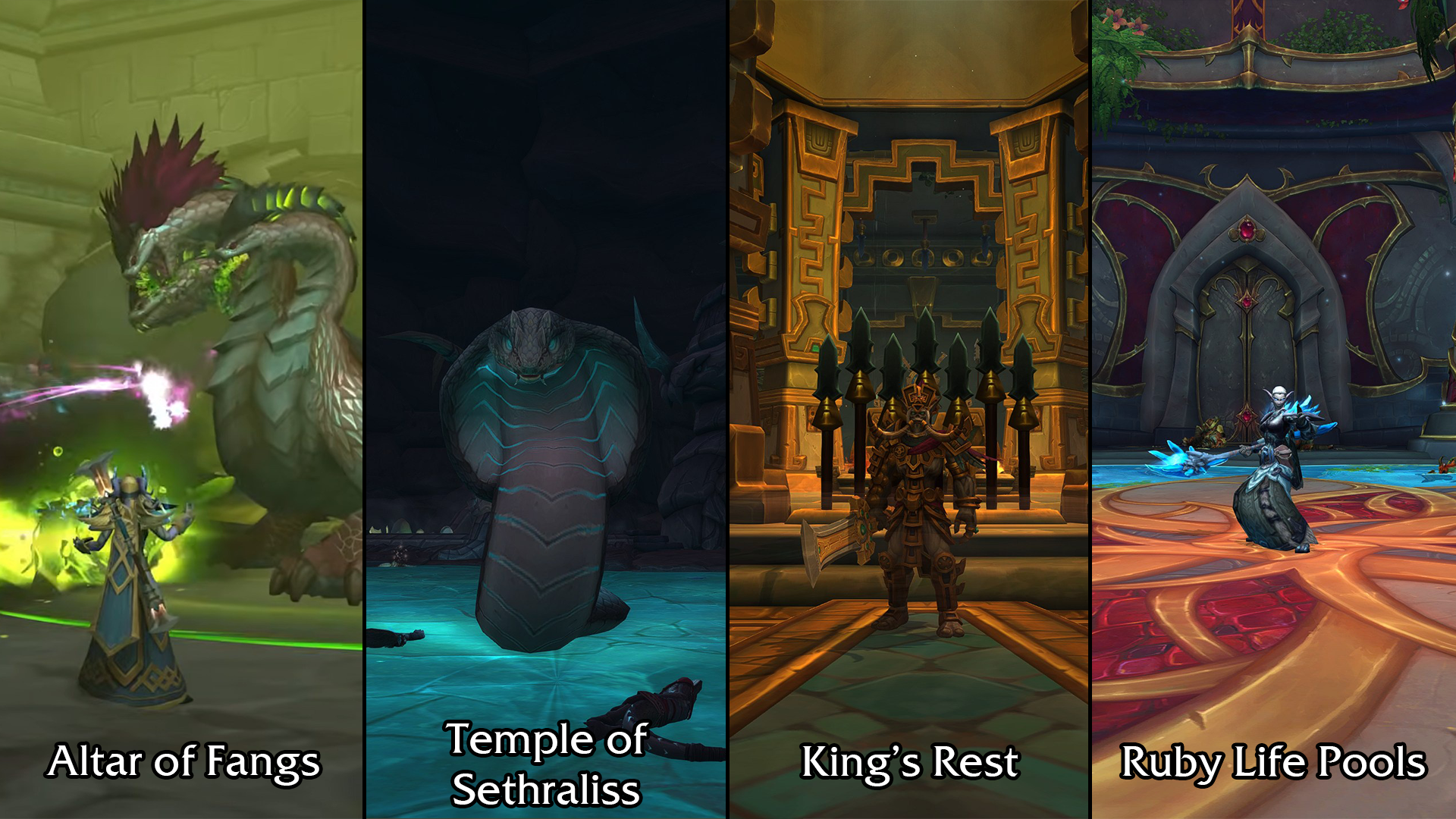
The loudest reaction to Midnight Season 2 Mythic+ was not really about difficulty. Players time hard keys every season. The reaction was about trust: trust that Ruby Life Pools will not be the same weekly headache, trust that King's Rest will not drag its old pacing problems back into the timer, and trust that Temple of Sethraliss has been rebuilt enough to stop feeling like a museum piece with a keystone attached.
That is a different bar than a normal season reveal. A new dungeon can be forgiven for being messy while everyone learns it. A returning dungeon with a reputation does not get that grace. It arrives with baggage, memes, old route habits, and players already deciding whether the key will be worth their patience.
Ruby's first ring, King's Rest pacing, and Temple's gauntlet are the test
- Ruby Life Pools has to prove its danger comes from readable execution, not stacked chaos in cramped spaces.
- King's Rest has to prove the timer and flow can survive its roleplay, boss order, and late-dungeon punishment points.
- Temple of Sethraliss has to prove the gauntlet, final boss, and old counterplay issues feel like modern Mythic+ instead of old friction with new numbers.
Blizzard's PTR notes are at least aiming at the right targets. Ruby Life Pools is getting first-area pack removals, simpler pack packages, grounded patrols, slower Melidrussa pacing, and clarity work around Kokia and Kyrakka. King's Rest is getting faster roleplay, modernized checkpoint flow, a fixed Council order, and changes around Shadow of Zul and Dazar. Temple is getting work on boss shields, Merektha, the final gauntlet, Cheap Shot counterplay, and the last boss asking more from the group.
Those are the kinds of changes that matter because they touch feel, not just math. A dungeon can be numerically balanced and still be miserable if pulls are visually muddy, if downtime burns the timer, or if one role absorbs every failure. The Season 2 pitch only works if the reworks change how the key plays under pressure.
More mob health only works if bad target swaps are visible
Blizzard says the season should keep similar overall difficulty while spreading success more evenly across the group. The practical version is more creature health, more priority damage, more target checks, and fewer moments where tanks and healers carry every missed decision until they run out of buttons.
That sounds healthy. It is also very easy to get wrong. When the dangerous mob lives too long, the next cast still hurts the tank. When damage players miss a priority target, the healer still sees the health bars collapse. If the game wants damage dealers to own more of the key, the key has to make responsibility visible enough that the right players feel the mistake.
Old routes are memory, not a plan.
That is the safest way to approach the returning dungeons. The old knowledge is useful, but it should be treated like a rough sketch. Count, patrols, boss timing, visual rules, and problem casts are changing. The group that imports a route and assumes muscle memory will carry it is going to waste a lot of early keys learning where the dungeon is no longer the dungeon they remember.
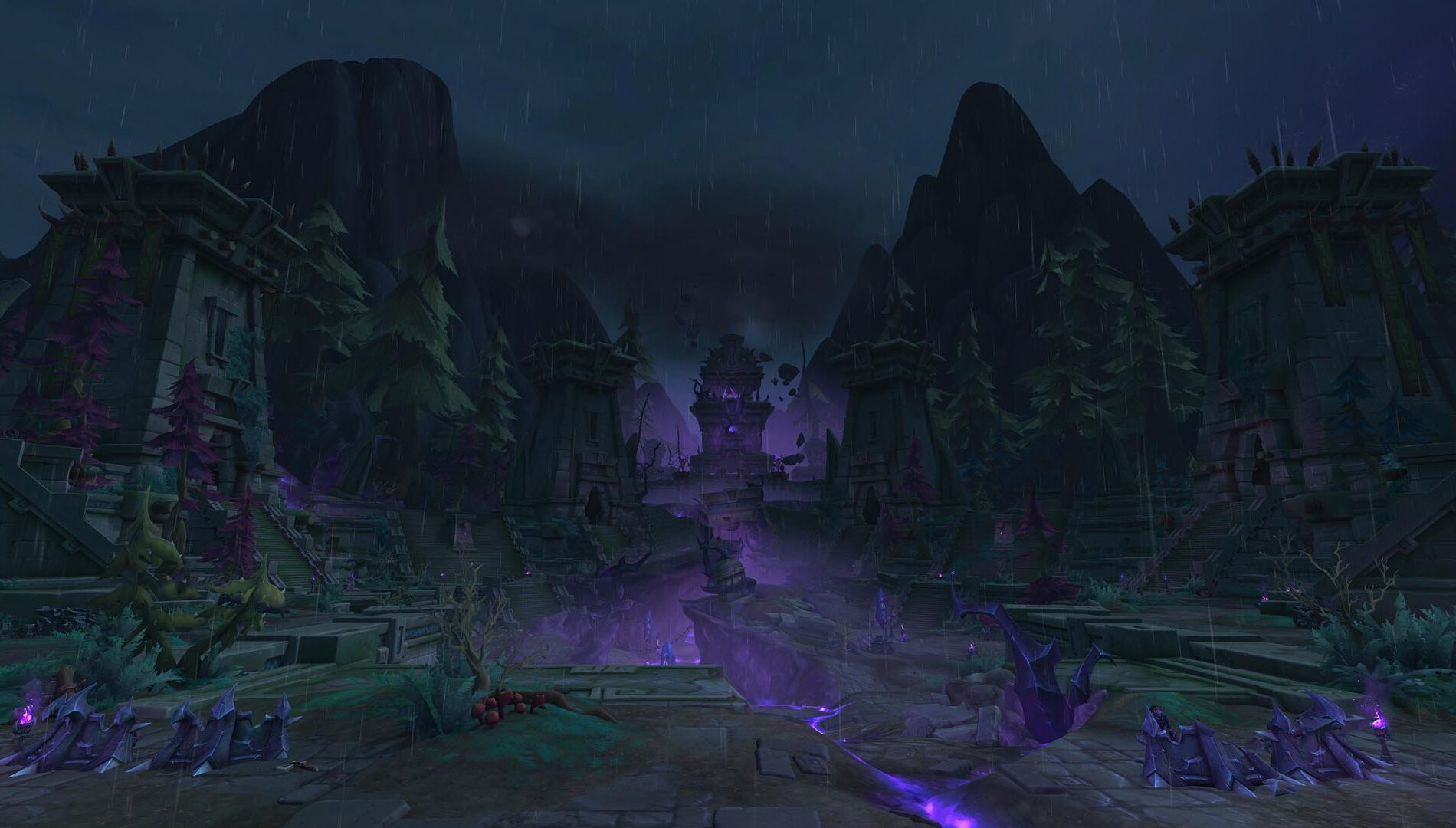
Murder Row's caster packs are the PTR warning sign
Murder Row has already drawn attention around caster density, and Blizzard has already reduced some of that pressure. The cantina event is also being cleaned up with a lower requirement, no role switching, a longer buff, and an earlier endpoint once five stars are reached.
That is worth watching because caster density is where theorycraft routes meet real group coordination. The problem pull is not always the biggest pull. It is the one where the third important cast has no stop left, the priority target is still alive, and the group is pretending the route is fine because it worked once on PTR with voice comms and perfect assignments.
The first live week is the pug-and-route test
The first live week will not tell us the final meta. It will tell us which design promises survived contact with pugs, cooldown planning, affixes, and real route pressure. If the same old returning-dungeon complaints appear immediately, the pool will feel stale before players finish learning the new dungeons. If the reworks make those dungeons feel sharper and fairer, Season 2 could end up much better than its first impression.
The interesting question is not whether these keys are scary. They are supposed to be. The question is whether the scary parts are worth getting better at, or whether they feel like old frustration wearing a new season label.