Mythic+
Blizzard Will Highlight the Route. It Still Won't Let Tanks Plan One
Lindormi's Glow survives into Season 2, but Blizzard has no current plan for an in-game route editor. The highlights can teach a reliable spine; custom pulls, recovery count, and group agreement still live outside the base game.
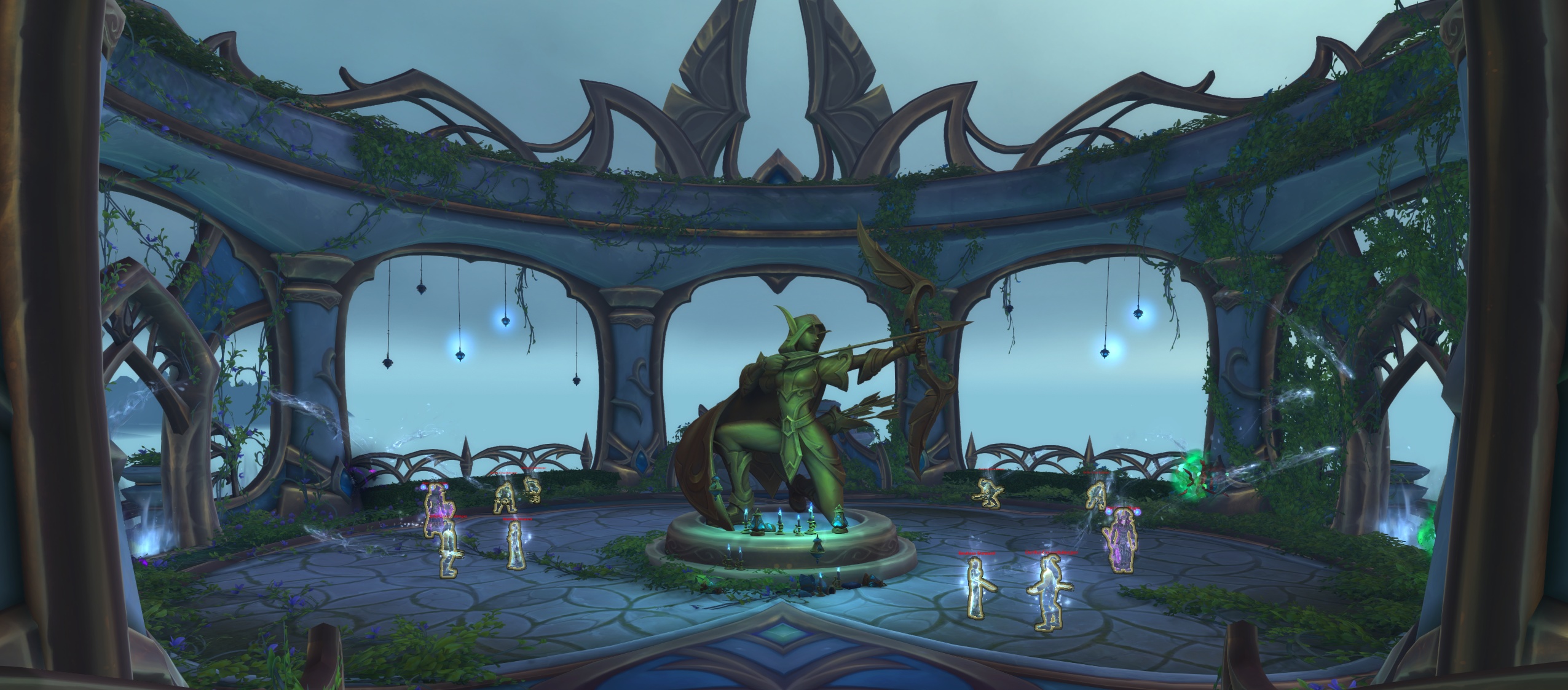
Blizzard will show a new tank which enemies make 100 percent. It will not let that tank draw a different route.
Lead Encounter Designer Andrew De Sousa confirmed the boundary in an August 7 interview. Lindormi's Guidance is meant to be the entry point for Mythic+ routing. A full map-and-route tool is aimed at advanced play, may overwhelm the audience Guidance was built for, and is currently being left to community tools.
That answer makes sense for a first +2. It becomes less comfortable when the same tank reaches a key where the highlighted route is legal, visible, and no longer the route the group expects.
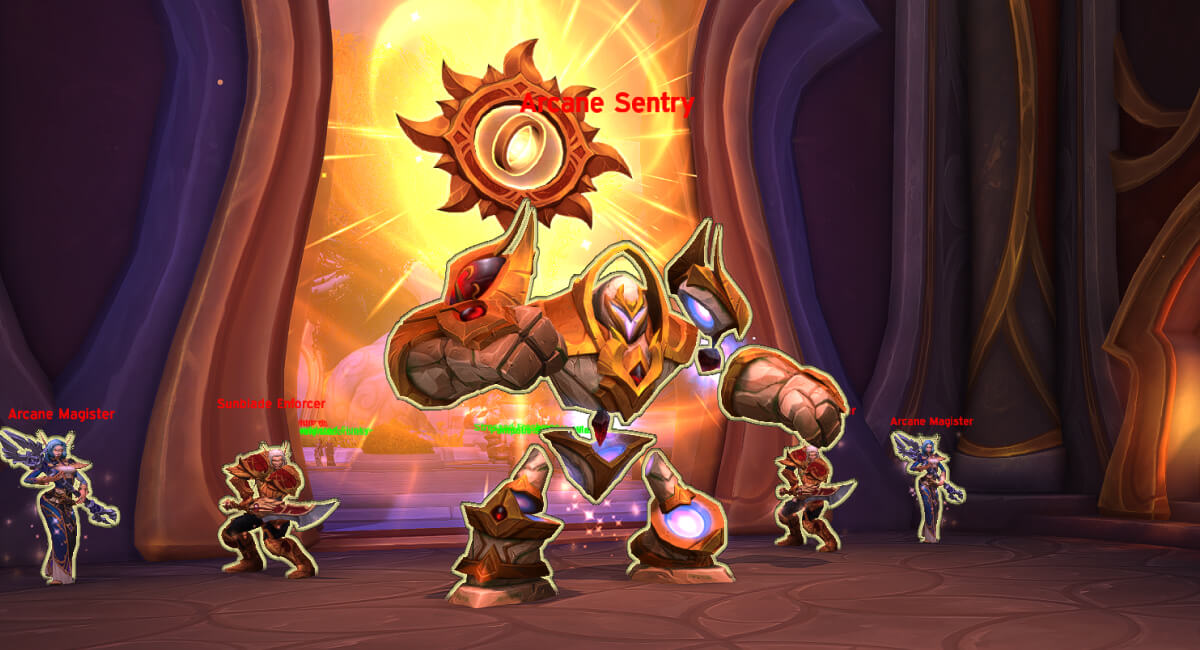
Guidance and Glow are not the same feature
Season 2 keeps both versions of Lindormi's help, and the distinction matters.
| Version | Where it works | What it provides |
|---|---|---|
| Lindormi's Guidance | +2 through +5 | Highlights a fixed 100% set, weakens marked enemies by 5%, and removes timer loss from deaths |
| Lindormi's Glow | Opt-in when tanking above the Guidance range | Keeps the fixed enemy highlights only |
At +6, the training wheels that change combat are gone. A player on a class with a tank specialization can speak with Lindormi in Silvermoon City or after a keystone and enable Glow. When that player enters as the tank, the marked enemies remain visible. Their health and damage are normal, and deaths again carry their normal penalty.
That is a good handoff. The geography does not disappear at the same moment the key becomes less forgiving.
It is not a planner.
A complete forces bar is only the route's skeleton
Lindormi answers one expensive beginner question: which enemies can produce the required count without a backtrack at the end?
It does not answer the questions that make two 100-percent routes feel completely different:
- Which packs should be combined?
- Where should Bloodlust and major cooldowns be used?
- Which dangerous enemy is worth skipping even if its count looks efficient?
- What marked pack can be dropped after an accidental pull?
- Which branch fits this group's stops, dispels, damage profile, and survivability?
The highlights are static. If a damage dealer tags an unmarked pack, the game does not redraw the remaining route around the extra count. If a marked enemy is skipped, the glow does not select a replacement. The group still owns the recovery.
Season 2 adds one useful first-party tool beside the glow: enemy tooltips display their Enemy Forces contribution. A tank can inspect the count of a replacement pack instead of relying entirely on an addon or old guide. That helps with arithmetic. It does not show travel time, pull order, or danger.
The tool solves memory, not authority
Many of Lindormi's strongest community endorsements come from players who had avoided tanking because they feared forgetting a route. The glow gave them permission to enter the key and learn through repetition. That is a real success.
The same players often say the tank shortage is not simply a map problem. The tank still sets the pace, absorbs complaints about pulls, adapts after an accidental tag, and decides whether the group has enough cooldowns for the next combination. A highlighted mob does not stop another player from pulling it early or insisting that a different weekly route is mandatory.
That is the missing distinction in the developer answer. A map editor can be advanced, but shared intent is basic. A new tank does not need a tournament route. The tank needs the party to know which route is being followed before the timer starts.
Blizzard is separating onboarding from optimization
De Sousa's explanation is careful. A full mapping tool exposes a new tank to pull groups, percentages, branches, notes, and import strings before the player has learned what the dungeon looks like. Lindormi's fixed route removes that setup cost. The tank can enter, follow the highlighted spine, and learn the packs through play.
There is real value in refusing to turn a +2 into homework.
There is also a fair argument that route refinement belongs to tank progression. Choosing a safer pack, aligning a pull with Bloodlust, and learning how much count can be dropped after an accident are skills. If the base game automatically optimized every branch, it would remove a meaningful part of the role.
The current system leaves a wider gap than that argument requires. A tank eventually wants to change one pack, not become a route engineer. The choices jump from "follow Blizzard's fixed highlights" to "open a community planner." The base game has no small editor that lets a group select one alternate branch, share it in party chat, or confirm that everyone's assumptions match.
The fixed route should be treated as a teaching route
Season 1 showed why the label matters. Practical reviews found several Lindormi routes close to ordinary efficient paths, while others selected powerful enemies or awkward sections experienced groups often skipped. Those results cannot grade the new Season 2 pool. Every route has changed.
They do establish the right expectation. Blizzard is optimizing for a dependable introduction, not the fastest current route at every key level and affix.
Use the highlights to learn the dungeon's stable spine:
- 1. Follow Guidance in low keys and identify the marked packs that feel dangerous or slow.
- 2. Enable Glow when Guidance disappears so the count remains visible under normal tuning.
- 3. After the run, write down only the friction: the pack that broke cooldown alignment, the section that overcounted after an accidental pull, or the miniboss the group wants to replace.
- 4. Use a community map only when there is a specific problem to solve.
That sequence keeps the tool in its intended role. It also prevents a tank from importing an optimized route without understanding why its pulls work.
A four-point route card is enough for most weekly groups
Groups below the frontier do not need a tournament diagram. They need a shared answer for the few places where the route can branch.
Before inserting the keystone, settle four points:
- the opening pull and first Bloodlust;
- any planned skip or unusual miniboss;
- the replacement pack if the group gains extra count;
- the hardest combined pull and which cooldowns it expects.
The rest can follow Lindormi's spine. That is enough information to prevent most route arguments without forcing every player to keep a second map open.
For a fixed team pushing higher, a full community planner remains useful because it can preserve exact pull groups, notes, percentages, and alternatives. Blizzard's decision means those tools are not temporary scaffolding waiting to be replaced in 12.1. They remain part of advanced preparation.
The next useful base-game step is smaller than MDT
Blizzard does not need to copy every control from Mythic Dungeon Tools to close the middle.
A lightweight feature could let the tank toggle marked packs on the dungeon map, display the resulting Enemy Forces total, and share that selection with the party. No live rerouting, automated pull calls, or optimization engine is required. It would simply turn the glow from Blizzard's route into the group's route.
De Sousa did not close the door forever. For Season 2, though, the line is fixed: the base game teaches one route, and the community plans the others.
Tanks should use that boundary instead of fighting it. Start with the highlights, learn which decisions actually change the run, and add external planning only for those decisions. Lindormi can remove the fear of finishing at 96 percent. The group still has to agree on how it wants to reach 100.