Endgame
Slayer's Executioner Had Double Its Intended Effect. Rerun Your Tests.
Blizzard fixed Executioner for Arms and Fury on August 14. That invalidates part of the preseason Slayer case, but it does not prove a 50% spec nerf—or an automatic switch to Colossus or Mountain Thane.
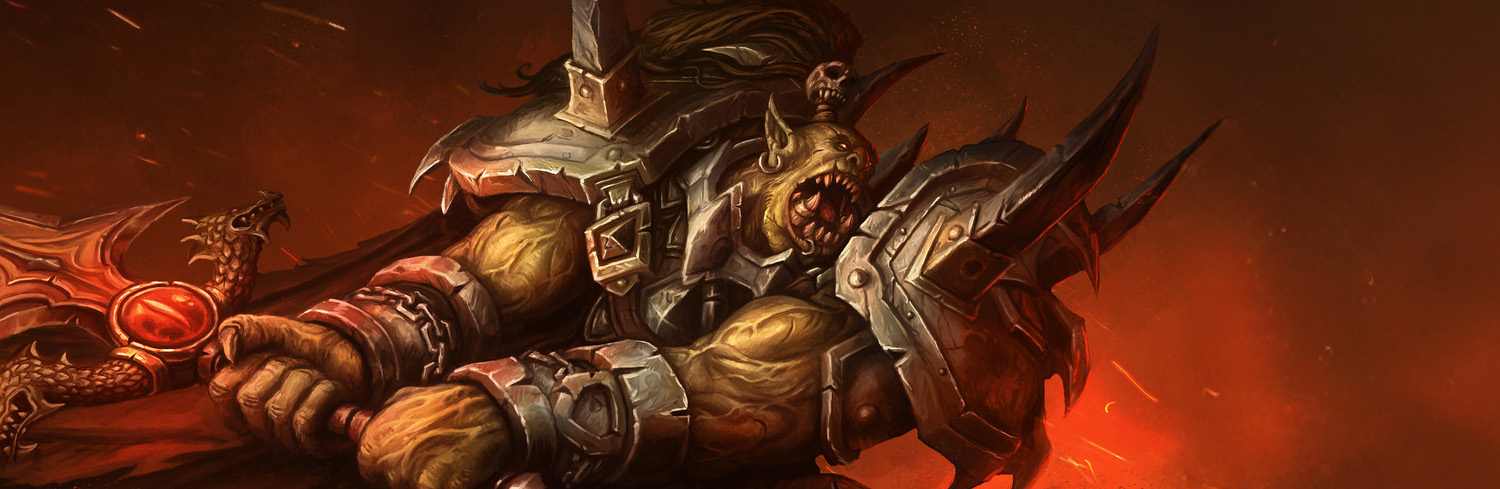
Some of the most confident Season 2 Warrior advice was built with the wrong Executioner.
On August 14, Blizzard fixed an issue that gave Executioner double its intended effect for Arms and Fury Warriors playing Slayer. That sentence landed four days before the season opens, after talent guides, simulations, target-dummy tests, and main decisions had already formed around Patch 12.1.
Do not divide every Slayer number by two. Executioner is one component inside the Hero tree, not the entire specialization. Rerun the comparisons in which that component could decide the answer.
Old Slayer data remains an accurate record of how the bugged build played. It is no longer clean evidence of how strong the intended build is.
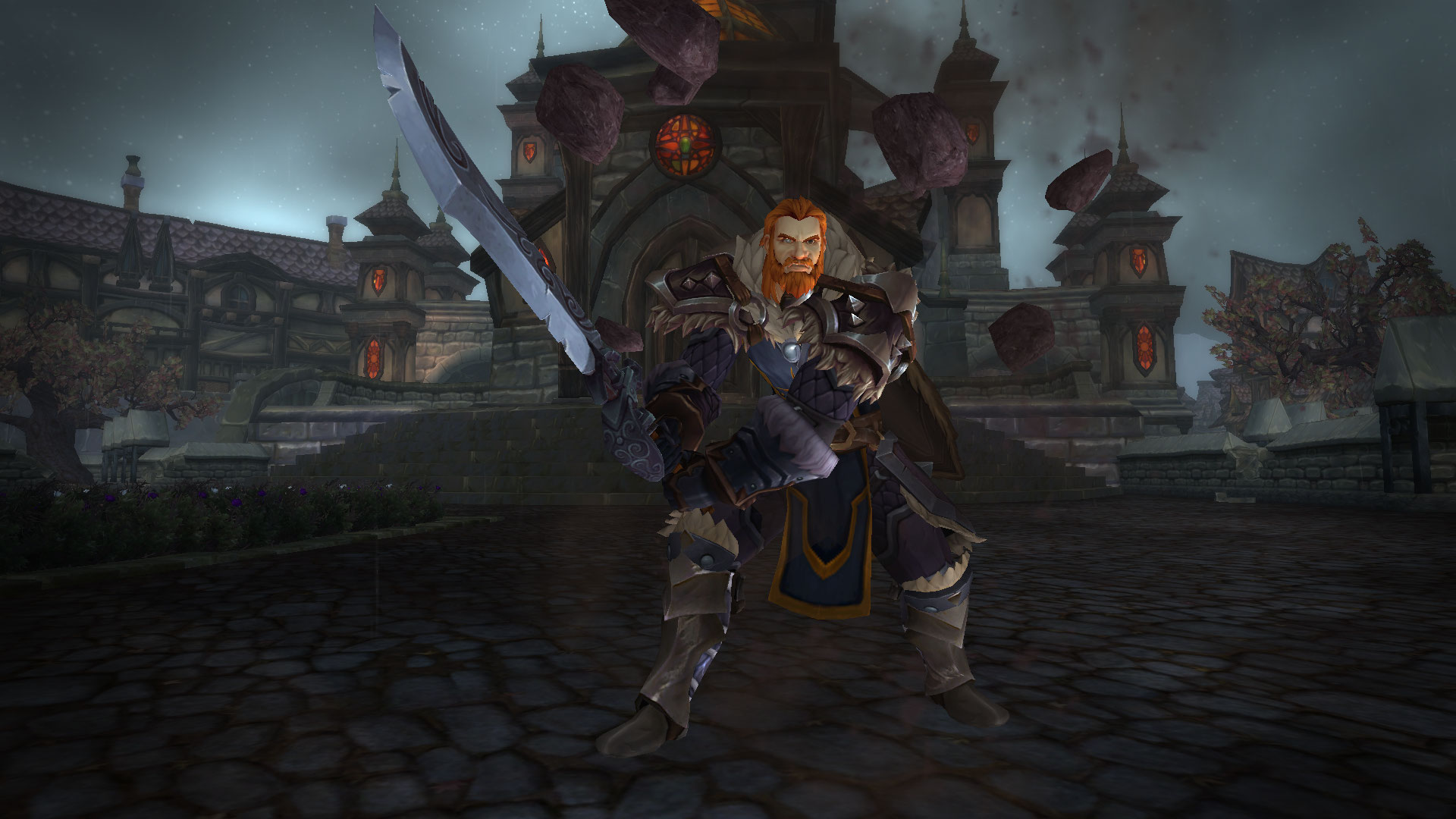
What Blizzard fixed—and what it did not say
Executioner is generated through Slayer's Strike. Current Wowhead spell data says attacks against the primary target can trigger Slayer's Strike—25% for Arms and 15% for Fury—dealing Physical damage and granting an Executioner stack for 12 seconds. Multiple stacks can overlap.
The base stack increases Execute damage by 3%. With Show No Mercy, current spell data also shows 3% Execute critical-strike chance and critical-strike damage per stack. Those stacks sit inside Slayer's larger loop: Slayer's Strike, Sudden Death, Execute, and the talents that connect Execute casts back to Bladestorm.
Blizzard says Executioner had double its intended effect. The note does not publish a specialization-wide loss. It does not give an affected date range, identify every interaction that received the excess value, or declare a new best Hero tree. It does not say Slayer's Strike damage itself was halved.
That boundary matters. If a component supplied 8% of a build's effective output and half of that component was unintended, removing the excess would be about 4% of the old total before interactions—not 50%. A different component share during execute, two targets, or short dungeon pulls produces a different answer.
Blizzard did not provide that share, so a confident net percentage now would only replace one bad baseline with another.
Do not mix the two bugged baselines
Executioner was already a known trouble spot during Patch 12.1 testing—but not always in the same direction.
A July 21 Wowhead review documented an earlier PTR build where Executioner's overlapping stacks could schedule too many expiration events after reaching the cap. Newer stacks could disappear early, reducing Execute value and making Bladestorm cooldown reduction erratic. That build could make Slayer look weaker and less consistent than intended.
Blizzard's August 14 note describes Executioner having double its intended effect. It does not say this is the same implementation fault, when the excess began, or which earlier correction led to it.
That leaves at least two test eras that should never be averaged together: an older PTR baseline with prematurely disappearing stacks and a later pre-hotfix baseline with an effect Blizzard says was doubled. “Patch 12.1 sim” is not a sufficient label. Record the date and game-data build, then compare only results produced under the same corrected rules.
Keep the observations that were never about power
A contaminated test is not a useless test.
A log can still show that an Arms rotation covered a particular add wave, that Fury's Bladestorm drifted away from Recklessness, or that a Warrior handled movement and defensive checks. A player can still prefer Slayer's frequent Execute access and spinning rhythm—or dislike the same proc density as noisy and overloaded.
Those are observations about cadence, identity, or utility. The Executioner fix does not erase them.
What needs quarantine is the conclusion that required Executioner to be at its intended magnitude:
- Slayer versus Colossus for Arms on a boss or dungeon profile.
- Slayer versus Mountain Thane for Fury, especially close single-target or mixed-target comparisons.
- The value of talents that increase, extend, or gain secondary effects from Executioner stacks.
- Execute-phase strength and any fight-length result that changes time spent in that phase.
- Stat, trinket, or tier comparisons whose winner moves with Slayer's Execute contribution.
That last line is easy to miss. A Hero-tree correction can reorder gear without touching the item tooltip. If a trinket or secondary-stat package won because it amplified a disproportionately strong Slayer window, rerun it before spending crests or reserving loot.
Arms has the larger immediate question
The current Icy Veins Arms guide was updated August 10, before the fix. It recommends Slayer for single target, multi-target, and dungeons/Delves, describing it as significantly ahead on single target and strong across multi-target play.
That is a useful snapshot of the available build, not a post-hotfix verdict.
Arms players should begin with three clean profiles:
- 1. Sustained single target with a normal execute phase.
- 2. Two targets or intermittent raid adds.
- 3. A representative Mythic+ route or multi-target profile that includes boss time.
Keep the gear and settings fixed. Compare the current Slayer and Colossus builds, then inspect total output, Execute, Slayer's Strike, Bladestorm, Executioner uptime, and stack distribution. If Slayer remains ahead, there is a clean reason to keep it. If the gap reverses only in one profile, change that loadout instead of declaring the whole tree dead.
Recent Arms feedback makes the distinction worth protecting. Some players praise the revised stack flow, Sudden Death frequency, and Bladestorm cooldown loop while asking that future balance changes leave the gameplay intact. Others find the proc load excessive. The hotfix can lower magnitude without settling that identity argument.
Fury needs a timing test, not only a DPS average
The August 10 Icy Veins Fury guide places Slayer in single-target and multi-target raid builds while recommending Mountain Thane for Mythic+ and Delves. It also describes the two dungeon approaches as close enough in some profiles for preference to matter.
Fury does not need to prove that one Hero tree wins everywhere. It needs to retest the lanes where Slayer's Execute package supported the choice.
Start with the raid encounter type that prompted Slayer. Then run one dungeon profile if Slayer was your preferred alternative to Mountain Thane. Preserve gear, consumables, fight length, and target pattern between builds.
Do not stop at mean DPS. Fury players have repeatedly described a three-part variance problem: Slayer's Strike, Sudden Death, and Executioner stacks can change Bladestorm cooldown timing, while Recklessness remains a window the player wants to respect. Track how often Bladestorm aligns, how wide its timing spread becomes across iterations, and whether holding it creates a practical loss.
The Executioner correction may change the reward for that randomness without fixing or breaking the cadence itself. One average number cannot tell you whether the build is powerful but awkward, weaker but smoother, or simply different across fight lengths.
Do the smallest rerun that can change your plan
First, confirm that the simulator or guide data includes the August 14 fix. A newly generated report can still use cached spell data.
Second, import the same character and preserve the original settings. Change only the Hero tree or talent branch being compared. Replacing trinkets, target count, and fight length at the same time makes the cause disappear.
Third, inspect the affected breakdown. Look at Execute damage and critical behavior, Slayer's Strike, Executioner uptime and stacks, Sudden Death casts, and Bladestorm timing. If the tool claims to include the fix but the affected line is identical to the old result, verify its data again.
Fourth, rerun gear decisions close enough to consume a scarce resource. Trinkets, tier timing, and secondary stats can move when the damage profile moves. Delay the crest or loot-reservation decision if the underlying data has not caught up.
Finally, label screenshots and sims as pre- or post-August 14. The old image can explain why a recommendation existed without masquerading as the current answer.
Do not turn a bug fix into a funeral
Executioner being double strength means the affected Slayer evidence needs a new baseline. It does not mean Slayer lost half its total damage. It does not mean Arms must become Colossus, Fury must become Mountain Thane, or every Warrior should swap mains four days before launch.
Those can become reasonable choices for a particular character and content profile after clean testing. They are not contained in Blizzard's sentence.
Keep the cadence and utility observations that still hold. Quarantine the power comparisons that do not. Rerun the smallest set that can change what you play, upgrade, or reserve.
The fix did not erase preseason testing. It drew a line through one column of it. Before Season 2, measure that column again.