Mythic+
Windwalker Is S Tier on the Meter—and Still Short on Defensives
Windwalker has climbed into S tier on a late Season 2 PTR list, but its damage gains have not erased the spec's oldest high-key problem: surviving unavoidable hits often enough to use them.
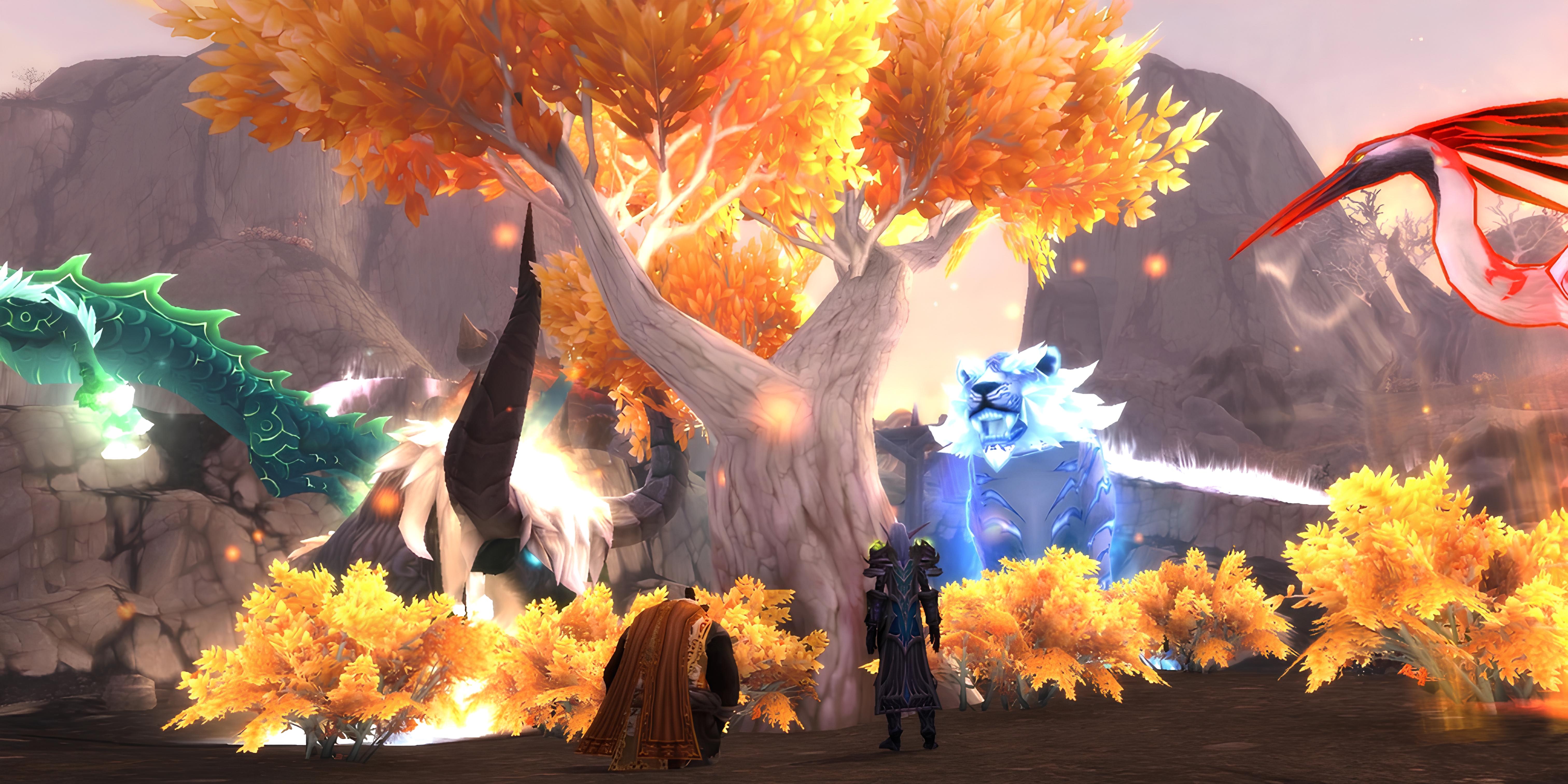
Windwalker has reached the flattering part of the Season 2 conversation. On Icy Veins' August 2 progressive Mythic+ PTR list, the specialization sits in S tier beside Outlaw Rogue.
That is good news. It is not the whole evaluation.
The same ranking that praises Windwalker's damage also calls it one of the squishiest specializations in the pool. That warning matters more as key levels rise, because a damage advantage only exists while the player is alive to deliver it. Season 2 may begin with Windwalker capable of winning the meter and still make its highest-key players solve survival before route optimization.

The PTR finally found sustained damage
Blizzard's June design pass had a clear purpose: narrow the gap between Windwalker's cooldown burst and the quieter seconds outside it.
The numbers moved in both directions. Auto-attacks rose by 30%, Blackout Kick by 50%, Tiger Palm by 200%, and Dual Threat by 30%. Zenith Stomp fell by 30%. Weapon of Wind and Tigereye Brew lost part of their Zenith amplification, while Celestial Conduit lost 25% of its damage. Temple Training's bonus to Fists of Fury and Spinning Crane Kick increased from 10% to 30%.
Read as a package, this was not a simple buff list. Blizzard taxed the three-second highlight reel and paid more of Windwalker's damage into buttons used across the pull.
That profile fits Mythic+ better than the percentages alone suggest. Trash rarely lines up perfectly for every Zenith, and priority enemies keep living after the opening burst. Stronger ordinary attacks make damage less dependent on the tank matching every pull to one player's cooldown. They also reduce the punishment when a mechanic forces the Monk away at the worst time.
Later PTR tuning pushed the overall result high enough for the spec to climb sharply in progressive rankings. That is the useful signal. The letter grade is still one writer's August 2 snapshot, made before live tuning and with four-piece tier assumed.
The tier set rewards the reason people play Windwalker
Season 2's set is built around Fists of Fury rather than a new side system.
The two-piece adds a strike at the start of the channel at 50% effectiveness. The four-piece lets each Fists of Fury strike increase the damage of the next Rising Sun Kick by 10% or the next Spinning Crane Kick by 20%, stacking up to six times.
That creates a readable choice at the end of the channel. Rising Sun Kick takes the stored power into a smaller target count; Spinning Crane Kick spends it into a pack. The bonus also gives Spinning Crane Kick a clearer place in the dungeon rotation, something Windwalker has not always had when other strikes were simply better uses of Chi.
Players who enjoy Windwalker tend to describe the same appeal: the rotation flows because Mastery rewards using a different ability from the previous one. Fists of Fury into the right follow-up supports that rhythm instead of replacing it.
The set does not guarantee a clean sequence. Movement or crowd-control duty can interrupt the channel or pull the Monk away before the empowered kick reaches the important target. Still, it adds power through the core kit instead of demanding another maintenance bar beside it.
Movement is not a defensive cooldown
Windwalker can cross a room faster than almost anything in WoW. Roll or Chi Torpedo, Flying Serpent Kick, Tiger's Lust, and Transcendence can turn positional mechanics into uptime. That mobility is real defensive value whenever danger can be left behind.
It does much less against damage that follows the player or strikes the whole party.
Later PTR changes improved Windwalker's passive position: testers point to Calming Presence reaching 10% and Combat Wisdom adding 5% stamina. Those are meaningful gains. They give every incoming hit a little more room and make a healer's next cast more likely to arrive in time.
The active sequence is still short. Fortifying Brew is the dependable answer for a planned heavy hit. Touch of Karma can absorb damage when there is a valid enemy target and the timing lets the shield do useful work. Self-healing can repair a survivable hit. None of those tools becomes a second charge because the next dangerous event arrives before the first cooldown returns.
That distinction is why a late PTR damage ranking cannot settle the Windwalker question. High keys are full of overlaps: a boss pulse beside a targeted mechanic, unavoidable trash damage during a forced spread, or a dangerous cast after the group has already spent externals. Mobility gets the Monk onto the correct tile. It does not lower the damage of the pulse.
The June pass increased Vivify, Expel Harm, and Silent Sanctuary healing. More recovery is welcome between events. It should not be counted as protection from a hit that kills the character before a heal can be cast.
This is a ceiling problem, not a reroll order
The sharpest criticism comes from players working around +20 and title-range keys. That context matters.
At ordinary reward levels, Windwalker's survival kit is not a reason to bench the specialization. The damage is excellent on the current test build. Leg Sweep, Paralysis, Mystic Touch, mobility, and access to tools such as Ring of Peace all have dungeon value. A practiced Monk can avoid more positional danger than a sturdier specialization that reacts slowly.
Even the Wowhead class writer who documented the defensive gap drew a line below the highest bracket: the spec had enough survival to perform strongly before top-end scaling turned every overlap into a pass-fail check.
There is also a fair counterargument that exceptional damage should carry a cost. The test is whether the cost creates decisions or simply moves too many planned externals onto one party member. Fragility that rewards precise Fortifying Brew, Karma, Transcendence, potion, and Healthstone use is a skill test. Fragility that runs out of buttons during a scripted sequence is a composition tax.
Season 2 needs live keys to show which version Windwalker has.
Map the hit before chasing the meter
Windwalker players should map Fortifying Brew and Touch of Karma before the key rather than improvising after the first death. Treat Transcendence as a plan for location-based danger, not a substitute for mitigation. If a pull contains two lethal events inside one personal-cooldown cycle, decide where a healer external belongs before the countdown.
Groups evaluating the spec should separate a failed defensive plan from a lack of class power. A Monk dying with Fortifying Brew available is an execution problem. A Monk using the planned personal, potion, and Healthstone and still requiring a disproportionate share of externals is a kit problem. Those are different diagnoses.
The release-candidate build may keep most of this shape, but it does not prove every tester concern is a launch bug or every listed value is final. Zenith behavior, dominant Hero Talent choice, and survival through Season 2's hardest overlaps all deserve a clean live pass.
Windwalker has the damage to earn a group slot. The first weeks will show how much of the group's defensive plan it costs to keep that damage standing.